Spokesperson: Danny O’Gorman, UK General Manager, Freenow by Lyft London’s Autonomous Future: Why Passengers Are Ready to Embrace AVs.
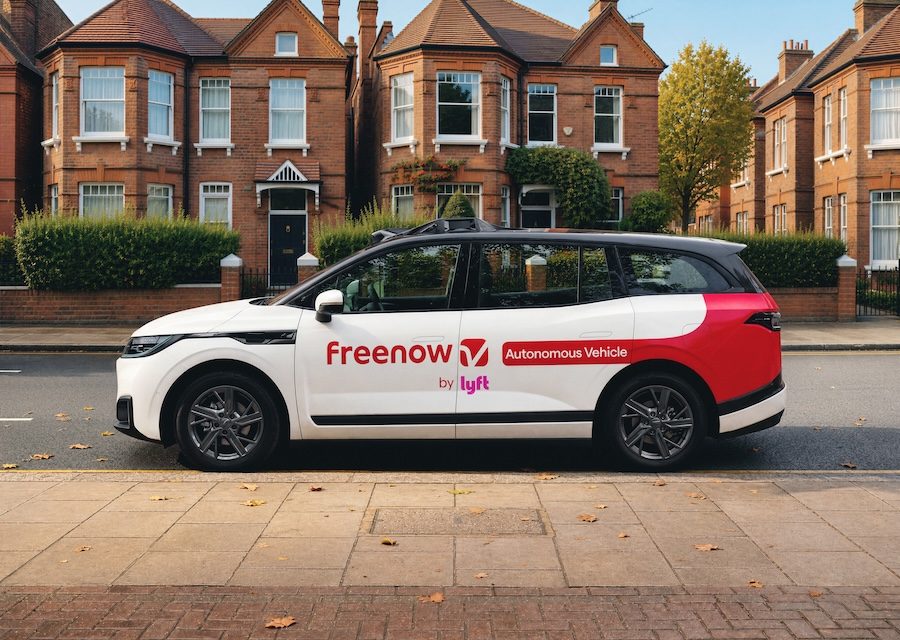
For years, autonomous vehicles have been tipped as the next big development in urban transport. Now, that future is starting to arrive on London’s roads, with testing already underway ahead of a planned public launch in 2027.
But how do Londoners actually feel about travelling without a driver? Our research at Freenow by Lyft found that 58% of Londoners would be likely to ride in an autonomous vehicle. Interest is even higher among younger Londoners, with almost two-thirds of those under 35 supporting the availability of AVs in the capital.
As AV commercialisation is getting closer to becoming a reality on London’s roads, Londoners are increasingly becoming familiar and comfortable with this new way of transportation.
It is about the journey, not just the technology
Our research found several reasons Londoners would be open to trying the new technology. For 43%, it’s the prospect of a more reliable journey, while 41% like the idea of having some quiet “me time” along the way.
It shows that, for the passenger, the attraction may be much simpler: what can they do with that little bit of time when travelling in an AV.
Whether that means answering emails, listening to music, making a phone call or simply sitting back, an autonomous journey could give people a different way to use their time on the move.
So, while the technology itself is generating excitement, the everyday benefits appear to be just as important.
The first journeys will tell us more
Of course, saying you would try an AV is not the same as becoming a regular passenger.
The next stage will be seeing how people respond when autonomous vehicles become something they can actually book and use. The experience of those first journeys will be important, particularly for people who have never travelled in an AV before.
Reliability will matter. So will how easy the service is to use and whether it delivers the kind of journey passengers expect.
That is one reason the testing currently taking place in London is significant. It is not simply about demonstrating that the technology works. It is also about understanding how autonomous vehicles operate within a busy city and how people respond to them.
Drivers have an important role to play
Alongside the excitement around AVs, there is an understandable concern about what increased automation could mean for professional drivers.
We believe the future is hybrid and as AVs scale the market will expand. Take San Francisco, where Lyft Rides within the Operational Design Domain (ODD) grew approximately 20% year over year, the strongest growth across all current markets with AVs.
AV partnerships remain central to our strategy as we build a scalable roadmap for a hybrid future. Furthermore, transition initiatives like Lyft’s Flexdrive subsidiary in Nashville demonstrate how scaling AV operations generates new full-time positions in fleet logistics, depot operations, and vehicle maintenance. To give a practical example, of the full-time roles we’ve filled so far for this depot, 50% were current or former Lyft drivers.
Professional drivers provide far more than driving from A to B. They offer extensive local knowledge, assistance, flexibility, and a level of human interaction that an autonomous vehicle cannot replicate. In a hybrid rideshare model, human drivers focus on complex trips, peak demand, and personalised care, while AVs absorb steady baseline demand and lower-earning shifts.
London’s black cab trade remains essential to this balance. Black cabs offer iconic wheelchair accessibility and specialised service support. Addressing concerns over potential declines in black cab availability, supporting accessible fleets, and providing vehicle financing solutions are crucial to protecting driver livelihoods and ensuring comprehensive service for passengers with diverse needs.
The real test starts now
The public conversation around AVs is about to become much more practical. With 58% of Londoners saying they would be likely to ride in an autonomous vehicle, there is already a sizeable group willing to give the technology a chance.
Autonomous vehicles will complement London’s transport network, but that does not mean the future of London transport has to be driverless. The opportunity is to introduce new technology responsibly while continuing to support the professional drivers, accessible services and human expertise that passengers already rely on.