The transport and courier industry are currently undergoing significant transformation, with electric vans becoming an increasingly prominent feature on roads across the UK. Driven by environmental concerns, rising fuel costs, and stricter government regulations, the shift towards electric vehicles represents not just a trend, but a long-term shift in logistics and delivery services.
Environmental Impact & Meeting Sustainability Goals
Switching to electric vans is a smart move for courier companies—not just for their bottom line, but their environmental impact too. With zero tailpipe emissions, electric vehicles are significantly cleaner when compared to traditional diesel vans. For same-day couriers operating in busy urban areas, this means helping to reduce city air pollution, as well as staying compliant with Low Emission Zones (LEZ) and Ultra Low Emission Zones (ULEZ) regulations, which are becoming increasingly common across the UK.
Beyond the environmental benefits, electric vans also support corporate social responsibility (CSR) goals. They help courier companies demonstrate their commitment to sustainability and stand out as environmentally responsible businesses. As customers become more eco-conscious, they’re actively seeking out delivery providers and eco-friendly courier options that better align with their values. For businesses relying on same-day courier services, partnering with a green-focused provider isn’t just a nice-to-have—it’s quickly becoming a must-have.
Cost Savings in the Long Run
While electric vans typically have higher upfront costs than their diesel counterparts, the long-term financial benefits are hard to ignore. Charging an electric van is significantly cheaper than refuelling with petrol or diesel, and maintenance costs are lower due to fewer moving parts and reduced wear and tear.
Government incentives, including grants for purchasing electric vans and funding for charging infrastructure, offer further incentive to companies thinking about making the switch. For same day courier services, where vehicles cover significant daily mileage, these savings add up quickly.
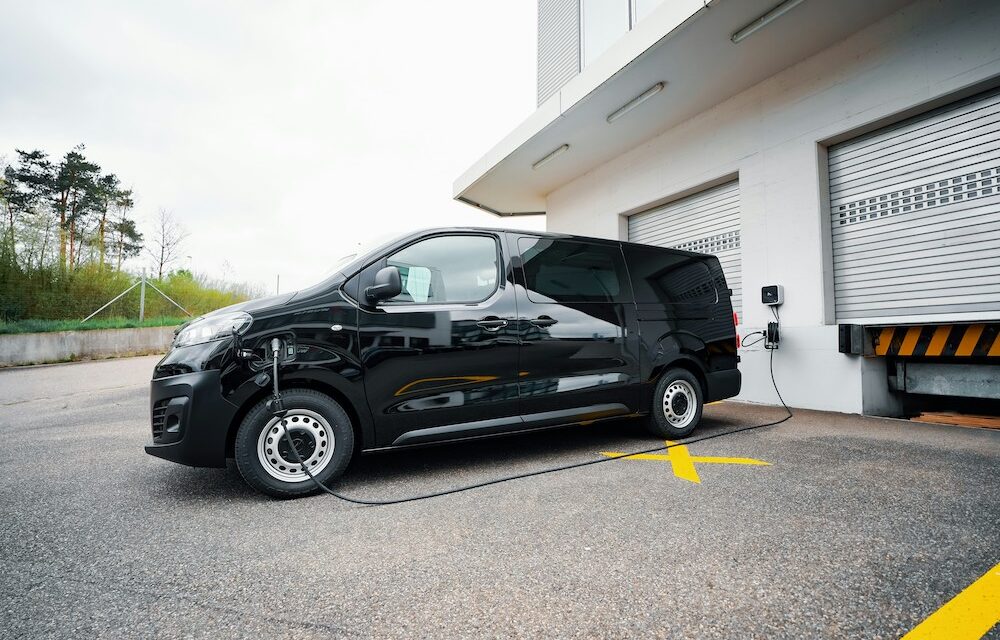
However, it’s important to note that the financial benefits are closely tied to charging infrastructure, which remains inconsistent in some areas. The cost-effectiveness of electric vehicles is most apparent when vehicles have access to reliable charging points.
Adapting to Technological Advancements
Electric vans are often equipped with the latest technology, including advanced telematics systems, GPS tracking, and smart route optimisation tools. These features enhance operational efficiency by enabling drivers to follow the most efficient routes, reduce delivery times, and avoid traffic bottlenecks.
Same day courier companies rely heavily on real-time communication and route planning. Electric vans, paired with sophisticated fleet management software, are perfectly aligned with these operational requirements, helping businesses maintain their reputation for reliability and punctuality.
Overcoming Range Anxiety
One of the biggest historical concerns about electric vans has been their range. Early electric vehicles were limited in how far they could travel on a single charge, making them less viable for long-distance deliveries. However, advancements in battery technology are steadily improving the range of electric vans.
Modern EVs are able to cover significant distances on a single charge, making them far more practical for same day delivery courier services. Additionally, rapid-charging networks are expanding, reducing the downtime required for recharging.
However, range anxiety remains a challenge for rural deliveries, where charging stations are less frequent. For urban and regional deliveries, though, electric vans are now a highly effective solution.
Challenges in Infrastructure and Adoption
Despite the benefits, transitioning to electric vehicles for courier delivery isn’t without its challenges. As previously mentioned, charging infrastructure remains inconsistent, especially outside of major cities. For same day courier services operating on tight deadlines, delays caused by limited access to charging stations can disrupt schedules and reduce efficiency.
Furthermore, the UK’s energy grid must continue to evolve to support the growing number of electric vehicles. Power demand spikes and limited availability during peak hours could pose logistical issues for courier fleets.
Fleet managers must also consider the operational changes required when integrating electric vans into existing systems. This includes planning for charging schedules, training drivers, and investing in compatible fleet management tools.
Future Outlook for Electric Vans in the Courier Industry
Looking ahead, it’s clear that electric vans are here to stay. As battery technology improves, charging infrastructure expands, and government incentives continue, the adoption of electric vans by courier companies will only increase.
Many major vehicle manufacturers are prioritising electric van production, offering improved designs, better range, and enhanced reliability. Additionally, legislation supporting carbon reduction targets is expected to tighten, pushing more courier companies to make the switch sooner rather than later.
A Balanced Approach for the Transition Period
While electric vans are becoming increasingly viable, many courier services are adopting a phased approach. Hybrid vehicles, which combine traditional engines with electric power, are acting as a bridge during this transitional period. This approach allows courier companies to continue operating efficiently while gradually integrating more electric vehicles into their fleets.
Electric vans are undeniably shaping the future of the transport and courier industry. Their environmental benefits, cost-effectiveness, and technological advancements make them an attractive option for same day courier services aiming to remain competitive and sustainable.
However, challenges such as charging infrastructure and range limitations still need to be addressed for full-scale adoption. As technology and infrastructure catch up, electric vans are set to become a staple in the courier industry, driving forward a greener and more efficient future for logistics and delivery services in the UK.